


1. Introduction
1.1 The Alpha in Software Investing: Beyond Financial Statements
The public software market, characterized by high-growth tickers and premium valuations, presents a fertile yet challenging ground for hedge fund investors. The industry's shift towards subscription-based, Software-as-a-Service (SaaS) models has rendered traditional, point-in-time financial metrics less effective at capturing the true health and trajectory of a business. Metrics like Annual Recurring Revenue (ARR), customer lifetime value (LTV), and Net Revenue Retention (NRR) have become central to valuation, yet the quarterly financial statements that report them are lagging indicators of performance. By the time a slowdown in billings or an increase in churn becomes public knowledge, the market has often already reacted, eroding any potential for alpha.
The true edge in software investing lies in developing a forward-looking perspective that anticipates these shifts before they are reflected in public filings. This requires moving beyond the income statement and balance sheet to understand the underlying drivers of growth and risk. It involves assessing the real-world demand for a company's products, the effectiveness of its sales and distribution strategy, its position within a competitive landscape, and the satisfaction of its customer base. This is where the disciplined practice of primary research, specifically channel checks, becomes an indispensable tool for the discerning investor. By gathering qualitative and quantitative data directly from the ecosystem in which a software company operates, analysts can construct a mosaic of information that offers a more nuanced and timely view than financial statements alone can provide. This ground-level intelligence is the raw material from which a durable investment edge is forged.
1.2 Defining Channel Checks in the Software Sector
In the context of the software industry, "channel checks" refer to a systematic process of primary research designed to gather information and insights from a company's distribution and sales ecosystem. Unlike traditional manufacturing or retail sectors where channel checks might focus on physical inventory levels and sell-through rates, the software equivalent is more complex and multifaceted. It involves engaging with a wide array of participants who influence a customer's purchasing decision and ongoing use of a software product.
These channels can be broadly categorized as follows:
- Direct Sales Channels: This includes speaking with current and former sales representatives, sales engineers, and customer success managers of the target company to understand sales cycle lengths, deal sizes, quota attainment, and competitive win/loss rates.
- Indirect Partner Channels: This involves querying value-added resellers (VARs), system integrators (SIs), managed service providers (MSPs), and consulting firms (e.g., Accenture, Deloitte). These partners often resell, implement, or recommend software and can provide invaluable insights into market demand, product strengths and weaknesses, and the effectiveness of a company's partner program.
- Digital and Cloud Marketplaces: A rapidly growing channel, this includes platforms like the AWS Marketplace, Microsoft Azure Marketplace, Google Cloud Marketplace, and Salesforce AppExchange. Checks in this area may involve analyzing customer reviews, assessing a product's visibility and ranking, and understanding the co-selling relationship with the cloud provider.
- End-Customers: The ultimate arbiters of a product's value. Speaking with a company's customers helps validate management's claims about product-market fit, customer satisfaction, pricing power, renewal intentions, and propensity for upsell or expansion.
- Competitors: While requiring careful navigation, conversations with a target company's competitors can shed light on competitive dynamics, pricing pressure, and shifts in market share.
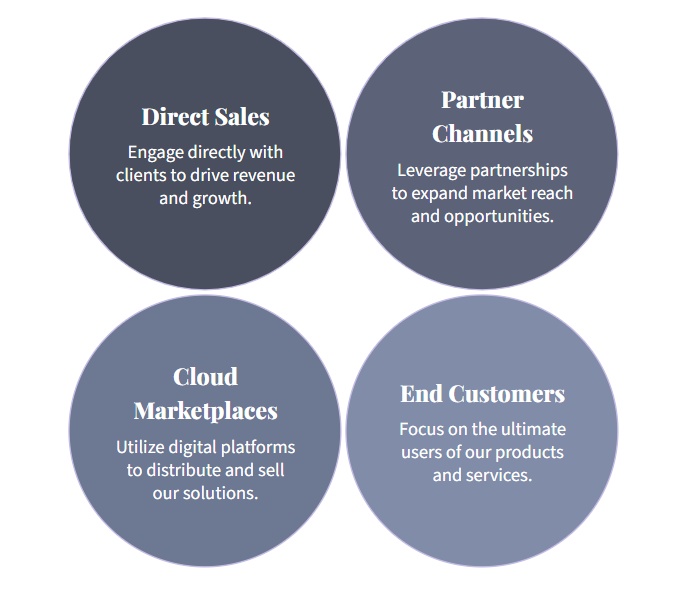
At its core, a software channel check is an investigative due diligence exercise aimed at corroborating or challenging the narratives presented by company management, providing an independent assessment of business momentum.
1.3 The Unique Challenges and Opportunities of Software Channel Checks
Conducting channel checks on software companies presents a distinct set of challenges and opportunities compared to other industries. The intangible nature of software means there is no physical inventory to count; instead, analysts must seek proxies for business health like sales pipeline growth, deal velocity, and user engagement. The subscription model introduces the critical concepts of churn and retention, which are often difficult to gauge externally but are powerful indicators of customer satisfaction and long-term viability. A high churn rate can silently erode a company's growth foundation, a fact that may only become apparent in financial reports after significant value has been destroyed.
The complexity of the software ecosystem is another challenge. A single enterprise software sale can involve a direct sales team, a consulting partner for implementation, and a cloud provider for hosting. Triangulating information from these disparate sources requires a sophisticated understanding of how the industry operates. Furthermore, the rapid pace of technological innovation means that competitive moats can be transient. A product that leads the market today can be disrupted by a more agile competitor tomorrow. Channel checks provide a real-time pulse on these competitive shifts, offering an early warning system that is unavailable through traditional research methods.
However, these challenges also create significant opportunities. Because the information is difficult to obtain and synthesize, analysts who successfully execute a rigorous channel check process can gain a substantial informational advantage. Uncovering evidence of accelerating deal closures through VARs, for example, could signal an upcoming revenue beat. Conversely, learning from multiple customers that a recent price increase is causing them to evaluate alternatives could be a powerful thesis for a short position. The goal is to identify these inflection points—positive or negative—before they are widely understood by the market, creating opportunities for alpha generation.
1.4 Whitepaper Objectives and Structure
The primary objective of this whitepaper is to provide a practical, actionable methodology for hedge fund analysts and portfolio managers to conceptualize, plan, and execute effective channel checks within the public software sector. It aims to demystify the process and equip investment professionals with the tools and frameworks needed to integrate this form of primary research into their investment process systematically. This guide moves beyond theoretical discussion to offer concrete steps and real-world considerations for generating a tangible analytical edge.
To achieve this, the whitepaper is structured as follows:
- Section 2: The Theoretical Framework of Channel Checks establishes the foundational concepts, discussing the role of channel checks in overcoming information asymmetry, the legal and ethical considerations under Regulation FD, and how to integrate findings into a broader investment thesis.
- Section 3: A Step-by-Step Methodology for Software Channel Checks provides a detailed, five-phase roadmap for conducting research, from initial scoping and hypothesis formulation to identifying sources, structuring inquiries, and synthesizing data.
- Section 4: Leveraging Technology and Data in Modern Channel Checks explores how to augment traditional human intelligence gathering with due diligence software platforms [1], alternative data sets, and other analytical tools to create a more scalable and robust process [2] [3].
- Section 5: Case Studies and Practical Applications illustrates the application of these methodologies through hypothetical case studies, demonstrating how channel checks can uncover both long and short opportunities, and discusses common pitfalls to avoid.
- Section 6: Conclusion summarizes the key takeaways and reinforces the strategic importance of disciplined channel check diligence for sustained outperformance in software investing.
2. The Theoretical Framework of Channel Checks
Channel checks are not an ad hoc exercise but a structured research discipline grounded in established financial and market theories. To fully appreciate their strategic value, particularly in the dynamic software sector, it is essential to understand the theoretical underpinnings that justify their application. This chapter explores the foundational concepts of information asymmetry, the role of channel checks as a primary research method, the critical legal and ethical guardrails that govern their execution, and their integration into a holistic investment process. By establishing this framework, investment professionals can move from simply collecting data to systematically generating proprietary, actionable intelligence.
2.1 Information Asymmetry in Public Markets
The efficient market hypothesis (EMH) posits that asset prices fully reflect all available information. However, empirical reality often deviates from this ideal, largely due to the pervasive existence of information asymmetry. This phenomenon occurs when one party in a transaction—in this case, corporate management—possesses more or better information than other parties, namely public market investors. Management has real-time, granular insight into operational performance, sales pipeline health, customer churn, and competitive dynamics, while investors typically receive this information with a significant time lag, filtered through quarterly earnings reports and official corporate communications.
This informational gap creates both risk and opportunity. The risk for uninformed investors is that they may be pricing a security based on stale or incomplete data, making them vulnerable to negative surprises. The opportunity, conversely, lies in actively seeking to reduce this asymmetry. Hedge funds, in their pursuit of alpha, are fundamentally in the business of identifying and capitalizing on market inefficiencies born from such informational disparities.
Channel checks serve as a direct mechanism to mitigate information asymmetry. By engaging with participants across a company's value chain—customers, resellers, implementation partners, and even former employees—analysts can gather fragments of real-time, on-the-ground information. While no single data point is determinative, the aggregation of these "scraps of intelligence" can form a mosaic that offers a clearer, more current picture of a company's performance than what is publicly available. This process effectively shortens the information cycle, allowing an investor to anticipate trends, validate or challenge management narratives, and adjust investment theses before the broader market has access to the same insights through formal disclosures. In the fast-moving software industry, where competitive advantages can emerge and erode with remarkable speed, bridging this information gap is not merely an advantage; it is a necessity for sustained outperformance.
2.2 Channel Checks as a Primary Research Methodology
Investment research can be broadly categorized into secondary and primary methods. Secondary research involves the analysis of publicly available information, such as financial statements, SEC filings, industry reports, and press releases.
While foundational, this type of research is available to all market participants and, therefore, offers limited competitive edge. Primary research, in contrast, involves generating new, proprietary data through direct investigation.
Channel checks represent a cornerstone of primary research in investment management. Unlike quantitative analysis of historical financial data, channel checks are inherently qualitative and forward-looking. They are a form of investigative due diligence designed to uncover leading indicators of business momentum. The methodology is systematic, beginning with the formulation of a specific hypothesis—for example, "Company X's new security module is gaining traction faster than the market expects"—and then proceeding to test it by gathering evidence from relevant sources within the company's ecosystem.
The value of this methodology lies in its ability to add texture, context, and validation to the quantitative models that drive investment decisions. A discounted cash flow (DCF) model is only as reliable as its input assumptions for revenue growth, margins, and churn. Channel checks provide a crucial layer of verification for these assumptions. Hearing directly from a key value-added reseller that deal cycles are lengthening or that a competitor's product is gaining favor provides a qualitative data point that can prompt an analyst to revise their growth forecasts downward, long before such a trend becomes apparent in reported financials. This methodical approach to data collection transforms anecdotal evidence into a structured, defensible basis for an investment thesis [1]. The process is intensive, requiring skill in sourcing contacts, formulating unbiased questions, and synthesizing disparate, often conflicting, information. However, the proprietary insights gleaned from this rigorous process are precisely what can generate a durable informational edge in competitive public markets.
2.3 Legal and Ethical Boundaries: Navigating Regulation Fair Disclosure (Reg FD)
The pursuit of an informational edge through primary research must be conducted within a strict legal and ethical framework. The paramount regulation governing this activity in the United States is Regulation Fair Disclosure (Reg FD), enacted by the Securities and Exchange Commission (SEC) in 2000. The core tenet of Reg FD is to prevent selective disclosure of material nonpublic information (MNPI) by public companies to securities analysts, institutional investors, or other select groups. If a company discloses MNPI to such individuals, it must also disclose that information to the public at large, promptly and simultaneously.
For the hedge fund analyst, Reg FD draws a clear and critical line in the sand. The goal of a channel check is to assemble a proprietary view by piecing together non-material, public, or observational information into a material mosaic. It is explicitly not to solicit or receive MNPI from corporate insiders or their agents. An example of MNPI would be a company executive telling an analyst, "We are going to beat our quarterly revenue guidance by 10%." Receiving such information would not only place the analyst in legal jeopardy but also render them unable to trade the security.
Effective and compliant channel checking, therefore, requires a disciplined approach. Analysts must focus their inquiries on eliciting perspectives, trends, and observations that are not, in themselves, material. For instance, questions should be framed to understand general business conditions rather than to extract specific financial data.
- Compliant Question: "Are you seeing enterprise customers become more or less price-sensitive for cybersecurity solutions this quarter compared to last quarter?"
- Non-Compliant Question: "Can you tell me how many units of Product Z your firm sold this month?"
The first question gathers information about market sentiment and trends, which can be aggregated with other data points to form a conclusion. The second question attempts to solicit specific, nonpublic sales data. Adherence to these principles is non-negotiable. Reputable investment firms maintain rigorous compliance protocols, including training on Reg FD, logging of expert network calls, and oversight from chief compliance officers. The "mosaic theory," which is legally recognized, protects analysts who gather non-material information from various sources to reach a material conclusion. It is this skillful assembly of permissible information, not the illicit acquisition of insider data, that constitutes legitimate and ethical primary research.
2.4 Integrating Channel Checks into the Investment Mosaic
Channel checks are a powerful tool, but they are not a standalone solution. Their true value is realized when they are integrated into a comprehensive and multi-faceted investment process. The insights derived from channel conversations should be viewed as one critical tile in a larger "investment mosaic," which also includes rigorous financial modeling, competitive analysis, management assessment, and macroeconomic considerations. An effective investment decision is rarely based on a single piece of information; rather, it emerges from the convergence of evidence from multiple, independent lines of inquiry.
For software companies, this integration is particularly crucial. An analyst might build a detailed financial model projecting 30% annual recurring revenue (ARR) growth based on historical trends and management guidance. However, a series of channel checks with implementation partners might reveal that customers are struggling with the software's complexity, leading to delayed deployments and dissatisfaction. This qualitative insight does not immediately change the numbers in the model, but it serves as a powerful red flag, prompting the analyst to question the sustainability of the projected growth rate. The analyst might then look for corroborating evidence in other data sources, such as online user reviews, employee turnover on the professional services team, or a slowdown in hiring for customer support roles.
This process of triangulation is fundamental. Information from one channel source should be cross-verified with others to control for individual biases, limited perspectives, or misinformation. For example, a single disgruntled customer does not signify a failing product, but if ten customers in different regions independently report the same critical flaw, a credible pattern begins to emerge. Similarly, bullish feedback from a reseller who receives high commissions should be weighed against the perspectives of customers and competing resellers. By systematically synthesizing qualitative channel insights with quantitative financial analysis and alternative data sets, investors can build a more robust, three-dimensional view of a company [4]. This integrated approach reduces the risk of being misled by a single narrative—be it from management or a single channel source—and significantly enhances the conviction behind an investment thesis.
3. A Step-by-Step Methodology for Software Channel Checks
The theoretical underpinnings of channel checks provide the "why," but their practical application—the "how"—is what separates successful primary research from a futile exercise. A rigorous, repeatable methodology is essential for transforming raw channel conversations into a mosaic of actionable intelligence. Haphazard calls and unstructured inquiries yield anecdotal noise, not a discernible signal. Conversely, a systematic process ensures that every step, from initial hypothesis to final synthesis, is designed to generate a non-consensus view grounded in verifiable data points.
This chapter presents a five-phase methodology tailored specifically for the complexities of the software industry. It is designed to be a comprehensive framework that guides investment professionals from the blank slate of a new investment idea to the nuanced, data-driven conviction required to take a position. Each phase builds upon the last, creating a structured workflow that maximizes the signal-to-noise ratio and mitigates common analytical pitfalls. This process is not a rigid prescription but a flexible framework, adaptable to different software sub-sectors, company sizes, and investment theses.
3.1 Phase 1: Pre-Check Scoping and Hypothesis Formulation
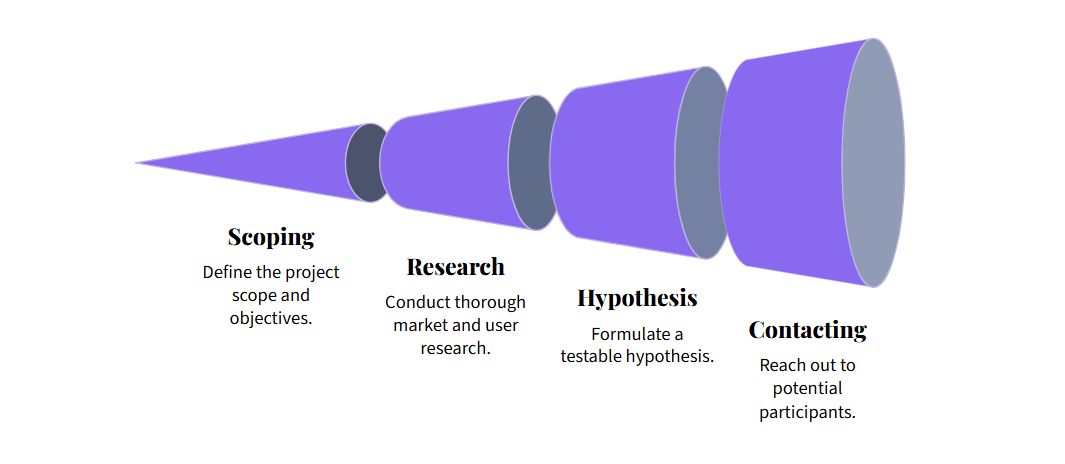
Before a single contact is sourced or a call is made, the foundation for an effective channel check must be laid. The Pre-Check Scoping and Hypothesis Formulation phase is the most critical and often the most overlooked. It is the strategic blueprint for the entire research effort. Without a clear objective and a testable hypothesis, channel checks risk becoming an aimless and expensive fishing expedition. The goal of this phase is to define precisely what the research aims to prove or disprove, ensuring that every subsequent action is targeted and efficient.
The process begins with a deep dive into all publicly available information. This includes a thorough review of quarterly earnings reports, investor presentations, management conference call transcripts, SEC filings (10-Ks, 10-Qs), and sell-side analyst reports. The objective is to internalize management's narrative and understand the consensus view. Key areas of focus include stated growth drivers, competitive positioning, new product cycles, and go-to-market strategies.
From this baseline, the analyst must identify the pivotal questions and uncertainties that, if answered, would materially impact the investment thesis. These are the "known unknowns" that public disclosures cannot adequately address. For example:
- Management Claims vs. Market Reality: If a company claims its new AI-powered module is seeing unprecedented demand, the key question is whether channel partners and customers are validating this adoption rate.
- Competitive Threats: If a legacy software provider faces a disruptive, cloud-native competitor, the core uncertainty is the actual rate of customer displacement and the effectiveness of the incumbent’s defensive strategy.
- Pricing Power: Following a recently announced price increase, the pivotal question is whether customers are accepting it or seeking alternatives and churning.
- Sales Execution: If a company has recently restructured its sales force, the uncertainty lies in its impact on sales productivity, partner relationships, and deal velocity.
Once these pivotal questions are identified, they must be refined into a specific, falsifiable hypothesis. A vague goal like "check on demand for Product X" is insufficient. A strong hypothesis is precise and measurable. For instance:
- Weak Hypothesis: "Check if the competition is having an impact."
- Strong Hypothesis (Long Thesis): "Despite competitive noise from Competitor Y, our target company's superior integration capabilities and customer support are resulting in a win rate of over 70% in head-to-head enterprise deals, a fact not yet appreciated by the market."
- Strong Hypothesis (Short Thesis): "The recent 15% price increase is causing a spike in churn among small and medium-sized business (SMB) customers, which will lead to a sequential deceleration in net revenue retention (NRR) below management's guidance of 115%."
Formulating a clear hypothesis serves three critical functions. First, it dictates the specific channels and contacts that need to be investigated. A hypothesis about enterprise win rates requires speaking to large system integrators and direct sales executives, whereas a hypothesis about SMB churn requires contacting smaller value-added resellers (VARs) and mid-market customers. Second, it provides a framework for structuring the inquiry, ensuring questions are targeted at validating or refuting the core thesis. Finally, it establishes a clear benchmark against which to measure the results of the channel checks, preventing confirmation bias by forcing the analyst to confront data that may contradict their initial view.
3.2 Phase 2: Identifying and Mapping the Software Sales Channels
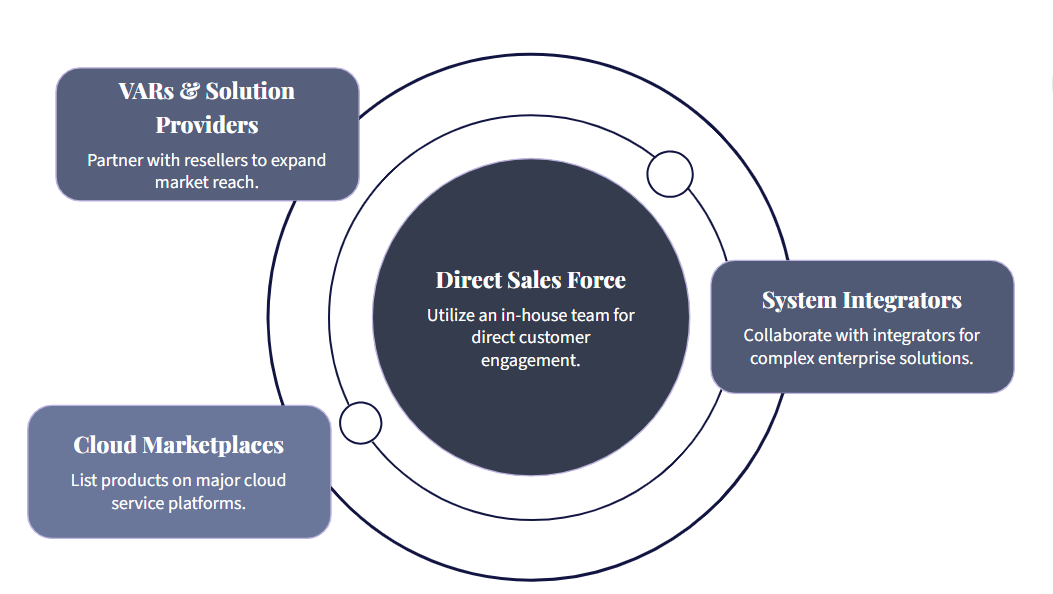
With a clear hypothesis in place, the next phase involves mapping the intricate ecosystem through which the target software company sells and delivers its products. Unlike traditional industries with linear supply chains, software distribution is a complex web of direct and indirect pathways. A comprehensive understanding of this ecosystem is paramount to identifying the most informative points of contact. The goal is to create a detailed map of every route the product takes to the end customer, as each channel offers a unique vantage point on the company's health.
The primary software sales channels can be categorized as follows:
- Direct Sales Force: This is the company's internal team, typically segmented by customer size (SMB, Mid-Market, Enterprise), geography, or industry vertical. These teams are on the front lines of high-value deals and have direct insight into customer budgets, decision-making processes, and competitive battles. Mapping this channel involves understanding the structure of the sales organization, identifying key sales leaders, and understanding their compensation incentives.
- Value-Added Resellers (VARs) and Solution Providers: These partners bundle the software with their own services, hardware, or other software products to provide a complete solution to the end customer. They are a critical source of information for the SMB and mid-market segments, often possessing deep, long-standing customer relationships. Identifying the top VARs by revenue or certification level (e.g., Platinum, Gold partners) is a crucial first step.
- System Integrators (SIs) and Consulting Firms: Large SIs (e.g., Accenture, Deloitte) and specialized boutique consulting firms are instrumental in the deployment of complex enterprise software. They advise clients on technology strategy, select vendors, and manage implementation projects. Their perspective is invaluable for understanding large enterprise adoption trends, deal sizes, and the technical viability of a product. Mapping this channel involves identifying the specific "practice areas" within these firms that focus on the target company's software.
- Cloud Marketplaces: The marketplaces of major cloud providers—Amazon Web Services (AWS), Microsoft Azure, and Google Cloud Platform (GCP)—have become a dominant channel for SaaS companies. They offer streamlined procurement, billing, and deployment. Understanding a company's performance on these marketplaces is vital. This involves analyzing its marketplace listing, customer reviews, and co-sell programs with the cloud provider. The health of the co-sell relationship between the company’s sales team and the cloud provider's team is a powerful leading indicator of demand.
- Managed Service Providers (MSPs): MSPs manage IT infrastructure and software environments for other companies. They often act as a channel by reselling and deploying software for their clients. They offer a ground-level view of product performance, reliability, and customer support quality, as they are responsible for the day-to-day operation of the software.
- Technology and Integration Partners (ISVs): Independent Software Vendors (ISVs) that integrate their products with the target company's platform form a crucial part of the ecosystem. The health of these partnerships, the level of co-marketing, and the feedback from their joint customers can reveal the strength of the company’s platform strategy and its "stickiness" within the broader technology stack.
Mapping these channels is not a theoretical exercise. It requires meticulous research using sources like the company's own partner directory on its website, press releases announcing new partnerships, LinkedIn searches to identify individuals working within these partner organizations, and industry conference attendee lists. The output of this phase should be a detailed diagram or spreadsheet that outlines the key organizations and, ideally, the key roles within those organizations for each channel. This map serves as the strategic guide for the next phase: sourcing contacts.
3.3 Phase 3: Sourcing and Vetting Channel Contacts
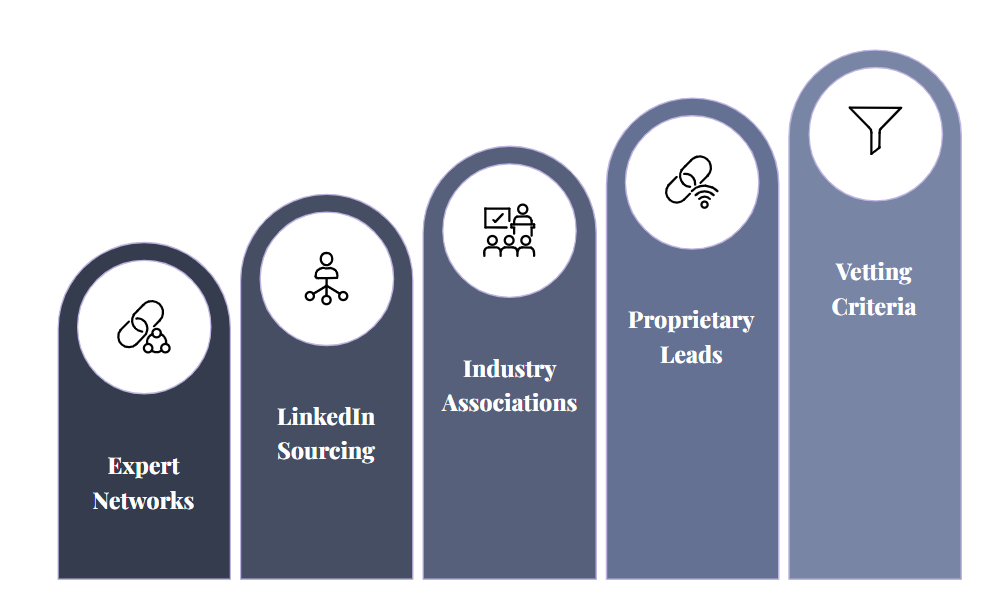
With the channel ecosystem mapped, the focus shifts to populating it with specific, high-quality human sources. The credibility and insightfulness of the channel check process are directly proportional to the quality of the contacts engaged. Sourcing the right individuals—those with direct, recent, and relevant experience—is an art that combines diligent research with strategic networking.
The primary method for sourcing contacts is through expert networks. These firms specialize in connecting investment professionals with industry experts for paid consultations. While efficient, relying solely on expert networks can be limiting. The experts they provide may be overly "shopped" (i.e., have spoken to many other investors), and their views may already be reflected in the consensus. Therefore, a multi-pronged sourcing strategy is superior.
Alternative and often more potent sourcing methods include:
- Professional Networking Platforms: LinkedIn is an indispensable tool. Advanced searches can identify former employees of the target company (e.g., "Account Executive at Company X, 2022-2024"), current employees at key channel partners ("Practice Lead for Company X at SI Y"), or customers ("Director of IT who implemented Product Z"). Reaching out with a professional, concise, and compliant message can yield unique sources.
- Industry and Trade Associations: Membership lists and speaker rosters from industry conferences can provide access to knowledgeable individuals who are recognized leaders in their field.
- Proprietary Sourcing: Leveraging personal and firm-wide networks can uncover unique contacts. This involves systematically querying colleagues and contacts for introductions to relevant individuals.
- Customer and Partner Lists: Companies often publish case studies, testimonials, and lists of certified partners on their websites. These are direct leads to organizations and individuals with firsthand experience.
Once potential contacts have been identified, the vetting process is crucial to ensure their relevance and reliability. Vetting is a filtering mechanism to screen out individuals who lack genuine expertise or may have biases that could contaminate the research. Key vetting questions to ask (either directly or through an expert network screener) include:
- Relevance and Recency: "In what capacity did you work with/for/compete against Company X?" "When was your most recent experience with them?" A former sales director who left five years ago has less relevant insight into the current sales pipeline than one who left six months ago.
- Specificity of Knowledge: "Can you discuss specific deal cycles for Product Z in the financial services vertical?" "What was your direct involvement in the decision to purchase or not purchase this software?" Vague familiarity is a red flag; deep, specific knowledge is the goal.
- Position in the Value Chain: Determine where the contact sits. Are they a decision-maker (e.g., a customer CTO), an influencer (e.g., a consultant at an SI), or an operator (e.g., a sales rep)? Each perspective is valuable but must be contextualized.
- Potential Biases: Is this a disgruntled former employee? A competitor with an axe to grind? A partner who derives 90% of their revenue from the target company? While these sources can still be valuable, their inherent biases must be identified and accounted for during the analysis.
The objective of this phase is to build a diversified portfolio of contacts across multiple channels and perspectives. Relying on a single channel or a small number of sources creates a significant risk of drawing skewed conclusions. A well-constructed source list might include two former sales reps, a current sales manager at a top VAR, a practice lead from a key SI, and three enterprise customers. This triangulation is essential for building a robust and defensible investment thesis.
3.4 Phase 4: Structuring the Inquiry - Key Questions and Metrics
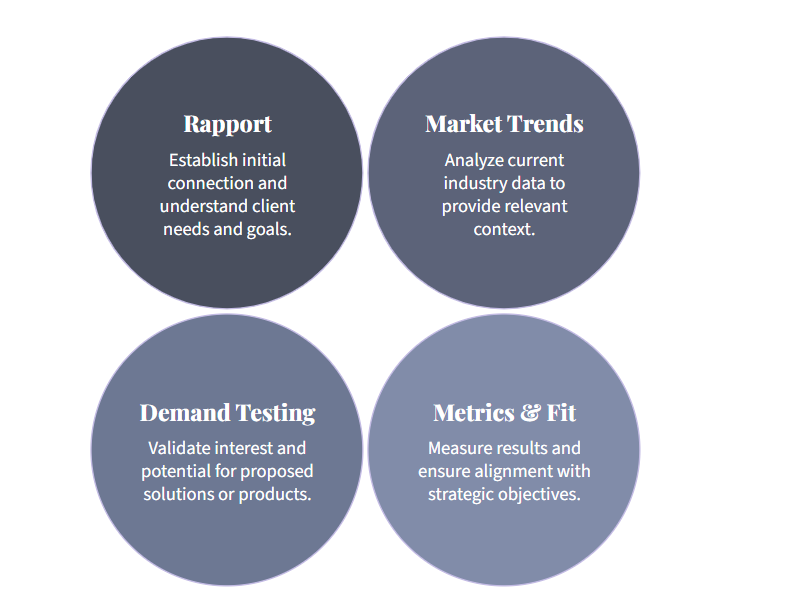
A successful channel check conversation is not a casual chat; it is a structured inquiry designed to extract specific, quantifiable, and comparable data points. The quality of the output is determined by the quality of the input—the questions asked. This phase focuses on developing a detailed questionnaire, or discussion guide, that is directly tied to the hypothesis formulated in Phase 1. The guide ensures consistency across conversations, allowing for the aggregation and comparison of responses, while remaining flexible enough to probe into unexpected avenues of insight.
The questionnaire should be organized into thematic sections, moving from broad, open-ended questions to more specific, probing inquiries. A logical structure might be:
- Rapport Building and Source Qualification: Begin by confirming the contact's background and experience to re-validate their expertise. Questions like, "Can you briefly walk me through your role at Partner Y and your specific interactions with Company X's products and team?" build rapport and establish a baseline of credibility.
- Macro and Market Trends: Understand the broader environment before diving into company specifics. "What are the key purchasing drivers for your customers in this software category right now?" "How are IT budgets trending for this type of solution?" This helps contextualize company-specific performance.
- Core Hypothesis Testing - Demand and Sales Pipeline: This is the heart of the inquiry. Questions must be designed to generate quantifiable or clear qualitative signals.
- Instead of: "Is demand good?"
- Ask: "How has the volume of qualified leads or RFPs for Product X changed this quarter compared to last quarter and the same quarter last year?"
- Instead of: "Are they winning deals?"
- Ask: "In the last 10 competitive evaluations you were involved in that featured Company X versus Competitor Y, what was the approximate win-loss ratio?" "What were the primary reasons they won or lost those deals?"
- Key Performance Indicators (KPIs) and Metrics: Elicit data points that serve as proxies for financial metrics.
- Deal Size: "What is the average contract value (ACV) you're seeing for new enterprise customers? Has that been trending up or down?"
- Sales Cycle Length: "How long is the typical sales cycle, from initial contact to close? Has this changed recently?" An elongating sales cycle is often a leading indicator of slowing growth.
- Discounting: "What level of discounting off the list price is typical to get a deal done? Has the company become more or less aggressive on pricing in the last six months?" Increased discounting can signal demand weakness.
- Churn/Retention: (For customers/partners) "Have you seen an increase or decrease in customers choosing not to renew their subscriptions? What are the main drivers of churn?"
- Product and Competitive Landscape: Assess the strength of the product and its positioning.
- "What are the most significant strengths and weaknesses of Product X compared to its main competitors?"
- "Are customers buying the full platform, or are they primarily interested in one or two specific modules?"
- "Which competitor do you see most often, and who is gaining the most momentum in the market?"
- Channel Health and Relationships: Evaluate the effectiveness of the go-to-market strategy.
- (For partners) "How would you rate your relationship with Company X's channel management team?"
- "Are their partner programs and incentives competitive? Are they easy to do business with?"
- "Is there any channel conflict between their direct sales force and partners?"
- Concluding Questions: End with open-ended questions to capture any insights that may have been missed. "What is the one thing that investors are most likely misunderstanding about Company X today?" "Is there anyone else you think would be valuable for me to speak with regarding this topic?"
Throughout the conversation, it is critical to ask follow-up questions that push for specifics and evidence. If a contact states that "the new product is a dud," the analyst must follow up with, "Can you give me a specific example of a deal where the new product failed to meet customer expectations? What specific features was it lacking?" This disciplined approach transforms vague opinions into concrete data points that can be systematically analyzed.
3.5 Phase 5: Execution, Data Synthesis, and Triangulation
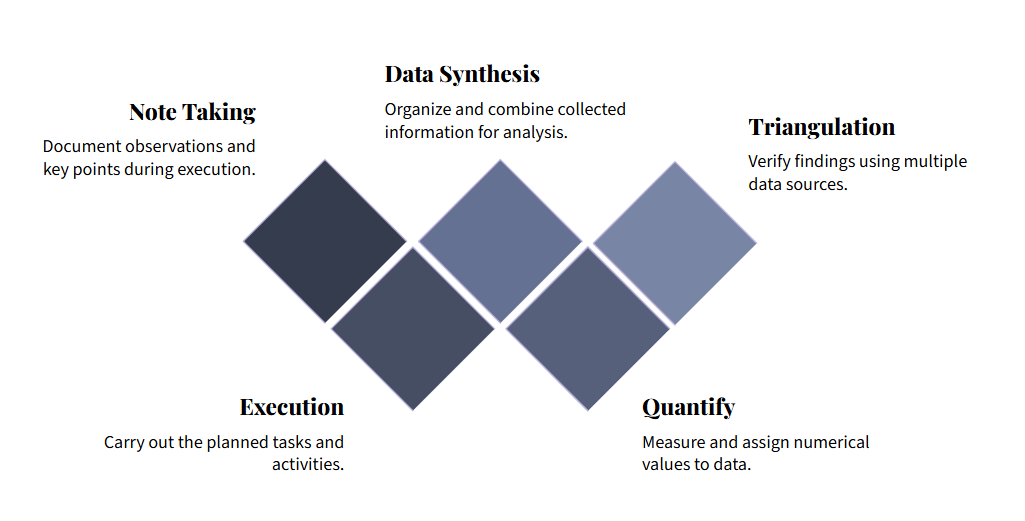
The final phase involves executing the calls, meticulously capturing the data, and synthesizing the disparate pieces of information into a coherent conclusion. This is where the raw intelligence gathered from individual conversations is transformed into an actionable investment insight.
Execution: During the calls, the analyst must be an active listener, guiding the conversation with the prepared questionnaire but allowing for informative tangents. It is crucial to maintain a strict ethical and compliance framework, explicitly stating that only public, non-material information is being sought. Detailed note-taking is essential, capturing not only direct answers but also the source's tone and level of conviction. Recording and transcribing calls (with permission) can be invaluable for later review.
Data Synthesis: After completing the calls, the data must be organized in a structured manner. A centralized spreadsheet or database is the most effective tool. Each row could represent a data point or quote, while columns capture the source (e.g., Former AE, SI Partner), their channel, the date of the call, and the key theme (e.g., Demand Trend, Competitive Win Rate, Pricing). This system allows the analyst to filter and sort information thematically.
For quantitative data points, calculate averages and look for patterns. For instance, if five different channel contacts provide estimates on win rates against a key competitor, the analyst can calculate an average and a range, providing a much more reliable figure than a single anecdote.
Triangulation and Mosaic Theory: The core of the synthesis process is triangulation—the practice of cross-referencing information from multiple, independent sources to validate findings. A single data point is an anecdote; a consistent theme that emerges from a former employee, a current partner, and a major customer is a high-conviction finding.
The analyst must actively look for both consistencies and contradictions.
- Consistencies: If multiple sources independently report that sales cycles are lengthening due to additional budget scrutiny, this is a strong signal of a potential revenue headwind.
- Contradictions: If a former sales rep claims the company never loses to Competitor Y, but two SI partners report recent losses to that same competitor, it requires further investigation. The contradiction itself is a valuable piece of information—perhaps the sales rep worked in a different segment, or the competitive dynamic has recently shifted.
This process is an application of the "mosaic theory," where each channel check provides one tile. No single tile reveals the full picture, but by assembling enough of them, a clear and detailed image emerges. The analyst's job is to step back and interpret this mosaic, comparing it directly against the hypothesis formulated in Phase 1. Does the weight of the evidence support or refute the initial thesis?
The final output of this phase is a concise memo that summarizes the key findings, highlights the most compelling evidence, acknowledges any contradictory data, and concludes with a clear statement on whether the channel checks validate or invalidate the investment thesis. This synthesized intelligence, grounded in a rigorous and systematic methodology, provides the informational edge that is the ultimate goal of primary research.
4. Leveraging Technology and Data in Modern Channel Checks
The principles of channel checking—engaging with the ecosystem to gather on-the-ground intelligence—remain timeless. However, the methodologies for executing these checks have been fundamentally transformed by technology. The proliferation of digital data, the advent of sophisticated software platforms, and the rise of artificial intelligence have equipped investment professionals with unprecedented capabilities to conduct checks at scale, with greater speed, and across a wider spectrum of sources. This technological evolution does not replace traditional, human-centric inquiry but rather augments it, allowing for a more robust, data-driven, and efficient due diligence process.
For hedge fund analysts covering the software sector, integrating technology into the channel check workflow is no longer an option but a necessity for maintaining an informational edge. Modern channel checks are a hybrid of qualitative conversations and quantitative data analysis. Technology enables analysts to automate the collection of baseline data, identify trends and anomalies that warrant deeper investigation, and ultimately spend more time on high-value activities like strategic analysis and direct engagement with key channel contacts. This chapter explores the critical role of technology and data, detailing the platforms, data sources, and analytical tools that are reshaping the landscape of software channel checks.
4.1 The Role of Due Diligence Software Platforms
The traditional channel check process, heavily reliant on manual data gathering, spreadsheets, and fragmented notes, is inherently inefficient and prone to error. Due diligence software platforms have emerged as centralized hubs designed to streamline this complex workflow, offering significant improvements in efficiency, collaboration, and data integrity. These platforms act as a system of record for the entire due diligence process, from initial hypothesis formulation to final data synthesis.
The primary function of these software solutions is to serve as a central repository for all research materials. Instead of scattering information across disparate documents and systems, analysts can consolidate call transcripts, survey results, market reports, and internal notes into a single, searchable database. This centralization is crucial for building a comprehensive and longitudinal view of a company and its channels over time. Leading platforms often integrate with trusted external databases and market intelligence providers, allowing for seamless data aggregation and a more holistic view of the investment target.
A key benefit offered by these platforms is the automation of routine tasks. For instance, many solutions provide tools for automated data collection from public sources, such as regulatory filings, company websites, and news outlets, freeing up valuable analyst time [5]. This automation can also extend to workflow management, helping teams track the progress of their inquiries, manage contact lists, and ensure that compliance protocols are consistently followed. For hedge funds, where speed and accuracy are paramount, these efficiency gains can translate directly into a competitive advantage, enabling teams to conduct more thorough research in less time.
Furthermore, modern due diligence platforms enhance team collaboration, which is particularly vital for hedge funds where insights from multiple analysts may contribute to a single investment decision. By providing a shared workspace, these tools ensure that all team members are working from the same set of information, reducing the risk of data silos and miscommunication. Features such as shared dashboards, collaborative note-taking, and integrated reporting capabilities facilitate a more cohesive and efficient research process [2]. This collaborative environment is essential for triangulating findings from various channel sources and constructing a unified investment mosaic. While many of these platforms are designed for general due diligence, their core functionalities—data aggregation, workflow automation, and collaborative analysis—are directly applicable and highly valuable for systematizing the software channel check process.
4.2 Utilizing Alternative Data for Channel Insights
While traditional channel checks rely on direct conversations, a growing universe of "alternative data" provides a powerful quantitative layer to augment and validate qualitative findings. Alternative data refers to non-traditional data sets that can provide insights into a company's performance. For software companies, where digital footprints are abundant, these data sources can offer real-time, high-frequency indicators of channel health, customer sentiment, and competitive positioning.
One of the most valuable sources of alternative data for software companies is web and application analytics. By analyzing web traffic to a company's website, particularly to pricing, demo request, and developer documentation pages, analysts can derive proxies for lead generation and developer engagement. Similarly, data on application downloads, active users, and in-app purchase trends from platforms like the Apple App Store, Google Play, or the Salesforce AppExchange can provide direct evidence of product adoption and monetization. A sustained increase in traffic to a developer portal, for example, could signal growing interest in a company's API, a key channel for many modern software platforms.
Another critical category is customer sentiment and review data. Publicly available reviews on sites like G2, Capterra, or AWS Marketplace offer a direct, unfiltered window into the customer experience. By systematically scraping and analyzing this data, analysts can identify recurring themes related to product strengths, weaknesses, bugs, and feature requests. A sudden spike in negative reviews mentioning performance issues following a new product release could be an early warning sign of customer dissatisfaction and potential churn. This type of analysis moves beyond anecdotal evidence, allowing for the quantification of sentiment trends across a large user base.
Job posting data represents a third powerful source of channel intelligence. A company's hiring patterns can reveal its strategic priorities and growth expectations. For instance, a significant increase in job postings for "enterprise sales representatives" in a specific geographic region could indicate an aggressive push into that market. Conversely, a slowdown in hiring for "partner account managers" might suggest that the company is deprioritizing its reseller channel.
By tracking these trends over time and comparing them to competitors, analysts can gain valuable insights into a company's go-to-market strategy and operational momentum, often before these shifts are explicitly communicated to the market. Integrating these diverse alternative data streams into the channel check process provides a quantitative foundation that can be used to generate hypotheses, corroborate qualitative findings, and identify inflection points with greater confidence.
4.3 AI and Automation in Data Collection and Analysis
The sheer volume and velocity of data available today make manual analysis impractical. Artificial Intelligence (AI) and automation are becoming indispensable tools for processing vast datasets and extracting actionable intelligence, thereby boosting the efficiency and accuracy of the channel check process. These technologies are particularly adept at handling the unstructured data—such as text from earnings call transcripts, customer reviews, and interview notes—that forms the backbone of qualitative research [6].
Natural Language Processing (NLP), a subfield of AI, is at the forefront of this transformation. NLP-powered tools can scan and analyze thousands of documents in minutes, identifying key themes, entities, and sentiment. For example, an analyst can use an NLP model to parse hundreds of customer reviews to quickly identify the most frequently mentioned competitors or the most requested product features. This capability allows for a systematic and unbiased analysis of qualitative data at a scale that would be impossible for a human analyst to achieve alone. Similarly, AI can be applied to earnings call transcripts to detect changes in management tone, the frequency of certain keywords (e.g., "headwinds," "macroeconomic uncertainty"), or discrepancies between prepared remarks and answers given during the Q&A session.
Automation plays a critical role in the data collection phase. Automated web scraping tools can be configured to systematically gather data from specified sources, such as partner portals, online forums, and competitive product websites. This ensures a consistent and timely flow of information without manual intervention. For instance, a script could be set up to monitor the number of certified professionals for a particular software on LinkedIn or to track pricing changes on a competitor's website, with alerts triggered when significant changes are detected. This automated surveillance allows analysts to stay informed of market dynamics in real-time.
AI is also enhancing the synthesis and risk assessment stages of due diligence. Some advanced due diligence platforms now incorporate AI to help identify potential risks and red flags within the collected data [7]. These systems can learn to recognize patterns associated with negative outcomes—such as language in partner feedback that has historically preceded a revenue miss—and highlight these areas for further human investigation. By automating the initial screening of information, AI enables analysts to focus their cognitive energy on the most complex and nuanced aspects of the investigation, such as interpreting ambiguous signals and making judgment calls. The integration of AI and automation does not make the analyst obsolete; rather, it empowers them to become more strategic, leveraging technology to amplify their analytical capabilities and uncover deeper insights.
4.4 Tools for Market Intelligence and Competitive Analysis
A comprehensive channel check is not conducted in a vacuum; it requires a deep understanding of the broader market landscape and competitive dynamics. Market intelligence and competitive analysis tools provide the essential context needed to interpret channel-specific findings accurately. These platforms aggregate vast amounts of data from public and third-party sources, offering a panoramic view of industry trends, market share, and competitor strategies.
Market intelligence platforms, such as those that aggregate data on market sizing, industry growth rates, and technology adoption trends, are crucial for the initial scoping phase of a channel check [8]. By understanding the overall health and trajectory of a software sub-sector, analysts can better frame their hypotheses. For example, if industry-wide data suggests a slowdown in IT spending, an analyst can probe channel contacts specifically about deal cycle elongation or budget scrutiny, testing whether the target company is outperforming or underperforming the market. These tools provide the top-down perspective that complements the bottom-up intelligence gathered from channel sources.
Competitive analysis tools allow for a granular examination of a software company's rivals. These platforms can track a wide range of competitive signals, including pricing and packaging changes, new feature launches, marketing campaigns, and hiring trends. Understanding a competitor's go-to-market strategy is vital for assessing a target company's position. For instance, if a primary competitor launches an aggressive pricing promotion or a new partnership with a major distributor, it is likely to impact the target company's sales pipeline and win rates. By monitoring these activities, analysts can ask more informed questions during channel checks, such as, "How are you seeing Competitor X's new pricing model affect customer negotiations?"
Furthermore, specialized financial data platforms are indispensable for hedge fund analysts. Tools like PitchBook, Co-Analyst, and others provide detailed information on both public and private companies, including funding rounds, valuation multiples, and key financial metrics [3]. This data is essential for benchmarking the target company against its peers and for building robust valuation models. When integrated with channel check findings, this financial context becomes even more powerful. For example, if channel checks reveal surprisingly strong customer demand for a company that is trading at a discount to its peers, it could signal a significant long opportunity. Conversely, if channel feedback indicates weakening fundamentals for a company with a premium valuation, it may present a compelling short thesis. The strategic use of these market and competitive intelligence tools ensures that channel check insights are not only validated but also placed within the proper market context, leading to more sophisticated and well-grounded investment decisions.
5. Case Studies and Practical Applications
The theoretical frameworks and methodologies discussed in previous chapters are best understood through their application in real-world investment scenarios. This section presents two detailed, albeit anonymized and illustrative, case studies demonstrating how rigorous channel checks can lead to differentiated investment conclusions. The first case study illustrates the identification of fundamental weakness in a seemingly high-growth company, presenting a compelling short thesis. The second demonstrates how channel checks can validate a nascent turnaround story, providing the conviction for a long position ahead of market consensus. Finally, this section will synthesize common pitfalls encountered during the process and offer strategies to mitigate them.
5.1 Case Study 1: Uncovering Weakness in a High-Growth SaaS Company
Background: "CloudMover Inc.," a publicly traded company in the data migration and cloud infrastructure management space, was a market darling. The company consistently reported 40%+ year-over-year revenue growth, beat quarterly earnings expectations, and offered bullish guidance. Its stock traded at a premium valuation, supported by a compelling narrative around the secular tailwind of enterprise cloud adoption. The consensus view was overwhelmingly positive, with most sell-side analysts rating the stock a "Buy."
The Investment Thesis (Initial Hypothesis): A long/short fund began preliminary work on CloudMover. The initial hypothesis was neutral-to-positive: given the strong secular trends, the firm sought to validate if the premium valuation was justified by sustainable, high-quality growth, potentially making it a core long holding.
The Channel Check Process:
- Channel Mapping: The investment team mapped CloudMover's go-to-market ecosystem. Key channels identified were:
- Direct enterprise sales teams targeting Fortune 1000 companies.
- Value-Added Resellers (VARs) and System Integrators (SIs) who bundled CloudMover's software into larger digital transformation projects.
- Major cloud provider marketplaces (e.g., AWS Marketplace, Azure Marketplace), which served as a transactional channel for smaller customers and a co-selling vehicle for larger deals.
- Contact Sourcing and Inquiry: Using expert networks and internal contacts, the team initiated conversations across these channels. The inquiry was structured to probe beyond surface-level sentiment.
- With former Direct Sales Executives: Conversations revealed that while the company was hitting its numbers, the sales team was under immense pressure. A key insight was that a significant portion of the prior two quarters' revenue came from aggressive, one-time discounts and contract "pull-ins," where deals scheduled to close in future quarters were accelerated with favorable terms. This suggested that underlying demand might not be as robust as headline numbers indicated.
- With System Integrators: Multiple SIs noted that while they still partnered with CloudMover, a key competitor had recently launched a technically superior product that was easier to integrate. They reported losing several head-to-head bids in recent months, a fact not yet visible in CloudMover's reported financials. One SI mentioned, "We present both options, but our technical teams are increasingly recommending the alternative. The integration is just smoother, saving us time and the client money."
- With Customers: Checks with recent enterprise customers revealed a pattern of satisfaction with the core product but significant frustration with add-on modules, which were priced at a premium but seen as lacking functionality. Several customers indicated they were unlikely to expand their relationship with CloudMover beyond the initial contract, casting doubt on the company's Net Revenue Retention (NRR) targets.
- Digital Channel Analysis: An analysis of web traffic, developer forum activity, and product reviews on cloud marketplaces corroborated the qualitative feedback. While overall review scores were positive, a trend of recent negative reviews emerged, citing bugs in new releases and poor customer support. Competitor mentions in these forums were also increasing.
- Synthesis and Thesis Reversal: The team synthesized the data points, which painted a picture starkly different from the public narrative.
- Revenue Quality: The headline growth was of low quality, driven by unsustainable discounting and pull-ins.
- Competitive Moat: The company's competitive advantage was eroding faster than the market appreciated.
- Future Growth Levers: Upsell and cross-sell potential (key to NRR) was weaker than management claimed.
The initial long thesis was invalidated and reversed. The fund concluded that CloudMover was at an inflection point where its growth would soon decelerate, and it would likely miss future earnings estimates. This would cause a significant compression of its high valuation multiple. The fund initiated a short position.
Outcome: Two quarters later, CloudMover Inc. missed its revenue forecast for the first time in three years and provided guidance significantly below consensus expectations. Management cited "deal slippage" and a "tougher competitive environment." The stock fell over 35% in a single day, validating the channel-check-driven short thesis.
5.2 Case Study 2: Validating a Turnaround Story Through Channel Strength
Background: "LegacyLogix," a veteran software company providing enterprise security solutions, had underperformed for years. It was burdened by an outdated on-premise product suite, declining revenues, and compressing margins. A new CEO with a strong track record in SaaS was appointed, who laid out a multi-year turnaround plan focused on transitioning the company to a cloud-native, subscription-based platform. The market was highly skeptical, and the stock traded at a deep discount to its peers.
The Investment Thesis (Initial Hypothesis): An investment fund specializing in value and special situations saw potential. The hypothesis was that if the new management's cloud transition was gaining real traction, the market's skepticism was misplaced, presenting a significant long opportunity. The core question was whether the new cloud product was merely a "re-skinning" of old technology or a genuinely competitive offering gaining market acceptance.
The Channel Check Process:
- Channel Mapping: The key channels to verify the turnaround were:
- Managed Security Service Providers (MSSPs), who were a critical channel for the legacy product and whose adoption of the new cloud platform would be a leading indicator.
- Corporate IT security departments, particularly "challenger" mid-market firms that were more likely to adopt new platforms than entrenched enterprise incumbents.
- Former product managers and engineers who had recently left the company, to understand the reality of the technological shift.
- Contact Sourcing and Inquiry:
- With MSSPs: The team conducted extensive interviews with a dozen MSSPs. Early conversations confirmed skepticism; many were hesitant to adopt the new platform. However, checks with a specific subset of more forward-leaning, tech-savvy MSSPs revealed a different story. Several had been early beta testers and were now actively migrating their clients to LegacyLogix's new cloud platform. One partner stated, "The first version was rough, but the last two releases have been game-changers. It's now more scalable and has better threat detection APIs than our other vendors. We're leading with it on all new client pitches." This was a powerful, non-consensus data point.
- With Customers: The fund targeted mid-market CISOs who had recently signed on for the new cloud product. The feedback was overwhelmingly positive. They praised the product's ease of deployment, intuitive user interface, and flexible pricing model, which contrasted sharply with the reputation of the legacy product. They confirmed they had evaluated the market leader but chose LegacyLogix's new platform on product merit.
- With Former Employees: Conversations with engineers who had worked on the new platform confirmed that it was a ground-up rewrite using modern architecture, not a superficial fix. They described a cultural shift within the R&D organization, driven by the new leadership, that was fostering genuine innovation.
- Synthesis and Thesis Validation: Triangulating these sources provided strong evidence that the turnaround was real and gaining momentum at the grassroots level, long before it would be apparent in headline financial figures.
- Product-Market Fit: The new cloud product had achieved product-market fit with a key customer segment and a crucial channel (forward-leaning MSSPs).
- Leading Indicators: Positive partner and customer feedback were powerful leading indicators of future revenue acceleration and subscription growth.
- Hidden Asset: The market was still valuing the company based on its declining legacy business, failing to price in the rapidly growing, high-margin cloud business.
The fund built a significant long position in LegacyLogix.
Outcome: Over the next 18 months, LegacyLogix's quarterly reports began to reflect the transition. The company consistently reported accelerating growth in its cloud ARR, which soon offset the decline in the legacy business. As the market recognized the successful turnaround, the stock's valuation multiple re-rated significantly, leading to substantial returns for the fund.
5.3 Common Pitfalls and How to Avoid Them
The channel check process is powerful but fraught with potential errors that can lead to flawed conclusions. Awareness of these pitfalls is the first step toward mitigation.
- Confirmation Bias: This is the tendency for analysts to seek out and give more weight to information that confirms their pre-existing investment thesis. If an analyst is predisposed to a short thesis, they may unconsciously focus on negative feedback from a disgruntled former employee while dismissing positive feedback from a current customer.
- Mitigation: Actively seek disconfirming evidence. Structure inquiries to explicitly ask, "What is the most compelling argument against my thesis?" and "Under what conditions would my thesis be wrong?" Ensure that the check includes a balanced mix of sources with potentially opposing viewpoints (e.g., current and former employees, customers and competitors, satisfied and churned clients).
- Small Sample Size Fallacy: Drawing broad conclusions from an insufficient or unrepresentative sample of channel contacts is a common mistake. Speaking to two enthusiastic partners in California does not necessarily reflect the sentiment of the entire North American partner ecosystem.
- Mitigation: Strive for both breadth and depth. While it is impossible to speak to everyone, aim to cover different geographies, customer sizes, partner types, and roles. Triangulate findings with quantitative data where possible. Acknowledge the limitations of the sample size in the final analysis and weight conclusions accordingly.
- Ignoring Source Motivation and Bias: Every source has inherent biases. A current salesperson may be overly optimistic to protect their job or commission. A recently departed employee might be unjustifiably negative. A competitor will naturally highlight the target company's weaknesses.
- Mitigation: During every conversation, critically assess the source's potential motivations. Ask questions that help reveal their context, such as, "How were you compensated?" or "What were the circumstances of your departure?" Corroborate any critical information from a potentially biased source with data from at least two other independent sources.
- Misinterpreting the Signal-to-Noise Ratio: Channel conversations generate a vast amount of information, much of it "noise"—anecdotal, personal opinions, or irrelevant details. The challenge is to extract the true "signal"—the consistent, material themes that have a direct bearing on the investment thesis.
- Mitigation: Adhere to a structured inquiry process based on the initial hypothesis. Tag and categorize notes from each call according to key themes (e.g., competitive pressure, product quality, sales cycle). Look for patterns and recurring themes across multiple, disparate sources. A single complaint about a bug is noise; five different customers mentioning the same critical bug is a signal.
- Ethical and Legal Lapses: The most severe pitfall is crossing the line into soliciting or acting upon Material Non-Public Information (MNPI), a violation of Regulation FD. This can result in severe legal and reputational damage.
- Mitigation: Implement a rigorous compliance protocol. Analysts must be thoroughly trained on what constitutes MNPI. Begin every call with a clear disclaimer that you are not seeking confidential information. Focus questions on the source's own experiences, industry trends, and publicly observable information, rather than asking for specific, non-public financial metrics or strategic plans. When in doubt, terminate the conversation and consult with the firm's compliance officer.
By systematically applying the methodologies outlined in this paper and vigilantly avoiding these common pitfalls, investment professionals can transform channel checks from an ad-hoc art into a disciplined science, creating a durable and defensible analytical edge.
6. Conclusion
The pursuit of alpha in the public software markets demands an analytical edge that transcends the standardized analysis of financial statements and sell-side reports. In an industry characterized by rapid innovation, intangible assets, and complex sales ecosystems, the ability to develop a differentiated view on a company's fundamental trajectory is paramount. This whitepaper has argued that a systematic and rigorous approach to channel checks provides just such an edge, offering a powerful methodology for uncovering ground-truth insights that precede market recognition.
We began by establishing the unique nature of software channels, moving beyond traditional distribution models to encompass a diverse ecosystem of direct sales teams, system integrators, cloud marketplaces, and developer communities. We framed channel checks not as an isolated task, but as a core component of a primary research mosaic, essential for bridging the information asymmetry that exists between corporate management and the investing public. Critically, we emphasized the importance of navigating this process within the strict legal and ethical boundaries defined by Regulation FD, ensuring that the pursuit of insight does not compromise integrity.
The core of this guide presented a structured, five-phase methodology designed for practical application. This framework guides the analyst from the initial formulation of a testable hypothesis through the meticulous processes of mapping channels, sourcing and vetting contacts, structuring inquiries, and finally, synthesizing disparate data points into a coherent investment thesis. The emphasis throughout is on discipline, triangulation, and the relentless focus on identifying leading indicators of business momentum—be it acceleration, stability, or decay.
Recognizing the evolution of due diligence, we explored the integration of modern technology and alternative data. Platforms that aggregate expert transcripts, analyze web traffic, track job postings, and scrape product reviews serve not as a replacement for human-led inquiry, but as a powerful complement. These tools enable analysts to quantify qualitative trends, broaden the scope of their research, and identify areas for deeper investigation, ultimately creating a more robust and data-driven conclusion.
The case studies provided tangible illustrations of this methodology in action, demonstrating how channel checks can lead to high-conviction, non-consensus investment decisions—both long and short. They serve as a practical reminder that the most compelling investment theses are often found in the disconnect between a company's public narrative and the on-the-ground reality experienced by its customers, partners, and employees. By learning from common pitfalls such as confirmation bias and an over-reliance on small sample sizes, professionals can refine their process and increase the reliability of their findings.
For the long/short hedge fund investment professional, mastering the discipline of software channel checks is not merely an additive skill; it is a fundamental capability. It transforms the investment process from a passive interpretation of historical data into an active investigation of the present-day factors that will shape future results. In a market that is efficient at pricing in the known, the greatest opportunities lie in discovering what is not yet widely understood. A well-executed channel check is one of the most effective tools for that discovery.


